
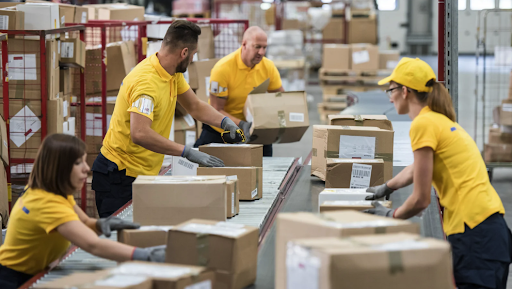
Transporting high-value products through global supply chains brings unique challenges. These goods are more vulnerable to damage, mishandling, or environmental exposure during transit. Ensuring product safety goes far beyond simply boxing and labeling; it requires a packaging strategy designed for endurance and precision. This is where smart planning and the right use of industrial packaging solutions make all the difference. With the right approach, businesses can prevent costly losses, maintain compliance, and protect their brand reputation.
The Realities of Shipping High-Value Products
Shipping environments are unpredictable. From vibration and stacking pressure to temperature swings and moisture exposure, the threats are constant. High-value shipments often involve long-distance travel, multiple handling points, and tight delivery windows, each of which adds complexity and potential failure points.
Standard packaging rarely offers the level of security these items require. What’s needed instead is packaging that aligns with the product’s fragility, weight, dimensions, and journey. Misalignment in any of these areas can lead to compromised cargo, costly returns, or rejected deliveries.
Elements That Define Reliable Protection
1. Full-Journey Planning
Effective packaging accounts for the entire logistics path, not just the origin and destination. This includes warehouse handling, containerization, customs inspections, and last-mile delivery. Each phase introduces different stressors that should influence how packaging is designed.
2. Internal Stability
One of the most common causes of damage is internal movement. Suppose a product shifts inside its crate or carton; impact absorption becomes ineffective. Stabilizers, blocking, foam inserts, and shock-resistant structures are necessary to keep items locked in place.
3. Material Selection
Material choice matters. Corrugated fiberboard may work for lightweight items, but heavy or fragile goods often require reinforced wood, composite barriers, or hybrid systems that provide both durability and shock absorption. The best material isn’t always the thickest; it’s the one designed for the exact conditions of the shipment.
4. Accurate Labeling and Handling Instructions
Clear, compliant labels help ensure the shipment is handled correctly at every touchpoint. Mislabeling leads to delays, mishandling, and fines, especially when dealing with regulated goods or international transit.
Companies that succeed in minimizing transit damage often align their strategy with a broader guide to packaging in global chains, tailoring protective measures to diverse logistics environments while maintaining consistency and regulatory compliance.
Extra Measures That Add Value
- Moisture barriers and desiccants to prevent corrosion or product degradation
- Shock and tilt indicators to detect mishandling during transit
- Anti-tamper seals for theft prevention and security
- Custom-fitted crate systems to match irregular shapes or high-weight items
Conclusion
Packaging high-value goods is not about applying extra layers; it’s about applying the right ones. Smart, protective packaging keeps risk under control and ensures the product’s value is preserved from origin to destination. When every shipment matters, shortcuts aren’t an option.
By treating packaging as an extension of operational precision, and not as an afterthought, businesses reduce product loss, speed up delivery, and build a reputation for reliability. Investing in protection upfront safeguards more than inventory. It secures performance, customer loyalty, and long-term profitability in a market where expectations are higher than ever.