
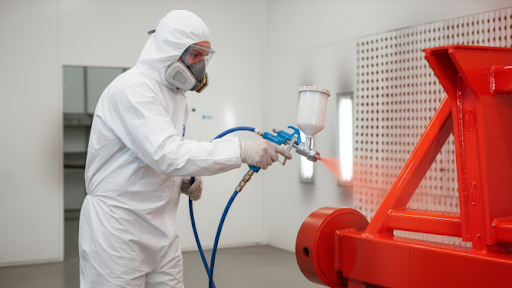
Protecting metal surfaces from corrosion and environmental degradation requires advanced coating solutions that deliver both durability and aesthetic appeal. Traditional methods often involve multiple layers of primers and sealants, which can be time-consuming and costly. This is where direct-to-metal paint stands out as a more efficient and practical approach. Applied directly to bare or pre-treated metal, this coating simplifies the process while providing exceptional protection and long-term performance.
What Makes Direct to Metal Paint Different
Unlike conventional coatings that require a primer, direct-to-metal paint is formulated with built-in adhesion and anti-corrosive properties. These formulations combine resins, pigments, and rust inhibitors that bond directly to the substrate, forming a strong, durable film.
This eliminates the need for multiple steps while maintaining a high-quality finish that resists peeling, cracking, and rust formation. The result is a smooth surface that not only protects but also enhances the metal’s appearance. Its versatility also allows it to be used on steel, aluminum, and galvanized metal, making it ideal for both industrial and architectural applications.
Corrosion Resistance and Longevity
Metal surfaces are constantly exposed to environmental stressors, including moisture, UV radiation, and temperature fluctuations. Over time, these factors accelerate oxidation, leading to corrosion. Direct-to-metal coatings act as barriers, isolating the substrate from these elements and preventing oxidation at the molecular level.
By incorporating advanced polymers and corrosion inhibitors, these paints significantly extend the lifespan of the coated surface. They also maintain their gloss and color stability even in demanding conditions, ensuring consistent performance over years of use. This durability reduces maintenance frequency, delivering long-term value for commercial and industrial environments.
Simplified Application and Cost Efficiency
One of the most compelling advantages of direct-to-metal paint is its ability to streamline application. Since it can be applied directly without a primer coat, it saves considerable time and reduces labor costs. The simplified process also minimizes the risk of layer incompatibility, a common issue when using separate primer and topcoat systems.
Professional applicators value its fast-drying properties, which enable quicker project turnaround. The coating’s superior coverage requires fewer coats, further improving efficiency. This combination of performance and practicality makes it a preferred choice in sectors where time and quality are equally critical.
When and Where to Use Direct-to-Metal Paint
While direct-to-metal paint can be used across a wide range of environments, understanding the optimal application scenarios ensures maximum effectiveness. For example, it performs exceptionally well in outdoor structures exposed to rain, humidity, and sunlight, as well as in indoor industrial settings where machinery and equipment are subject to constant wear.
Understanding when to use direct-to-metal paint is essential for achieving maximum surface protection, as it ensures proper adhesion, corrosion resistance, and longevity across a variety of industrial and architectural applications. Choosing the appropriate formulation not only provides superior protection but also improves efficiency in maintenance operations.
Environmental and Performance Benefits
Modern direct-to-metal paints are formulated with low-VOC (volatile organic compounds) to meet stringent environmental standards. They provide a cleaner and safer application process without compromising performance. Additionally, their high solid content results in minimal waste, supporting sustainable practices in professional maintenance and industrial operations.
The self-priming nature of these coatings also reduces the use of multiple materials, leading to less environmental impact and simplified storage and logistics. In terms of performance, they demonstrate excellent adhesion, flexibility, and impact resistance—qualities essential for structures exposed to mechanical stress and environmental challenges.
Conclusion
Direct-to-metal paint has become an industry standard for professionals seeking efficiency, durability, and environmental compliance in surface protection. Its corrosion-resistant formulation, ease of application, and long-term performance make it a superior alternative to traditional coating systems. By investing in high-quality DTM solutions, professionals can ensure their metal structures remain protected, visually appealing, and maintenance-efficient for years to come.