
The commercial remodeling and renovation industry in North Georgia is undergoing a transformative shift driven by changing business models, evolving workforce demands, and an increased emphasis on sustainability. For those exploring commercial remodeling in Cumming and nearby regions, staying aligned with current trends isn’t just smart, it’s critical for maintaining competitive advantage. These shifts are redefining how spaces are designed, built, and adapted to meet operational goals and customer expectations.
Rise of Flexible, Multi-Functional Spaces
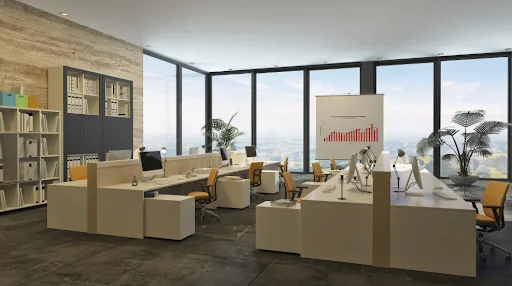
Today’s commercial environments must do more with less and do it smarter. A growing number of businesses are moving away from rigid layouts in favor of multi-functional, reconfigurable spaces. This trend is especially prevalent in offices and retail, where hybrid work models and experiential shopping require environments that can shift rapidly. Movable partitions, modular furnishings, and adaptive lighting systems now take precedence over fixed layouts.
Professionals in the field are designing for longevity and adaptability, ensuring that renovated spaces can pivot with future business demands without requiring another full overhaul. Flexibility is now considered a core design principle, not a luxury.
Sustainability as a Strategic Imperative
Environmental consciousness is no longer a trend; it’s a mandate. Energy-efficient HVAC systems, LED lighting, solar integrations, and recycled materials are no longer add-ons; they are baseline expectations in modern renovation projects. Green certifications and sustainable design not only support environmental goals but also reduce long-term operational costs. For businesses aiming to align with ESG standards, sustainable remodeling is a strategic move.
More contractors are incorporating lifecycle cost analysis and carbon footprint assessments into their planning, helping clients make decisions that are both economically and environmentally sound. These methods represent a clear evolution in how commercial upgrades are evaluated and executed.
Enhanced Tech Integration
Technology is now fully embedded in the remodeling process, from planning through to functionality. Advanced 3D modeling and virtual walkthroughs improve planning accuracy and stakeholder alignment. Once built, commercial spaces increasingly include IoT-enabled systems that control lighting, temperature, and security remotely. Smart systems not only streamline operations but also enhance user experience and operational transparency.
Tech-forward businesses view remodeling as an opportunity to digitally upgrade their infrastructure. Whether it’s integrating cloud-connected systems or adding touchless entry, technology is no longer an afterthought; it’s embedded in every phase of the design-build process.
Shifting Definitions: Renovation vs. Remodeling
As the industry evolves, clarity around project types becomes more important. Understanding the difference between renovation and remodeling is fundamental to making informed decisions. Renovation focuses on restoring existing structures to a good state of repair, often without altering their layout. Remodeling, on the other hand, involves changing the structure or form, which typically requires more significant planning and permits.
This distinction influences budgeting, timelines, and project complexity. Professionals help stakeholders choose the appropriate scope by assessing both functional and aesthetic goals, ensuring the final outcome aligns with business strategy.
Conclusion
The commercial remodeling and renovation landscape in North Georgia is no longer just about aesthetics or repairs; it’s about creating intelligent, future-ready environments that align with shifting business demands. Flexibility, sustainability, and technology are no longer optional; they are prerequisites for relevance and resilience.
Organizations that invest in trend-aligned remodeling not only position themselves for current efficiency but also for long-term scalability. As the market continues to evolve, businesses that lead with strategic renovation choices will emerge stronger, more adaptive, and better prepared to meet the challenges.