
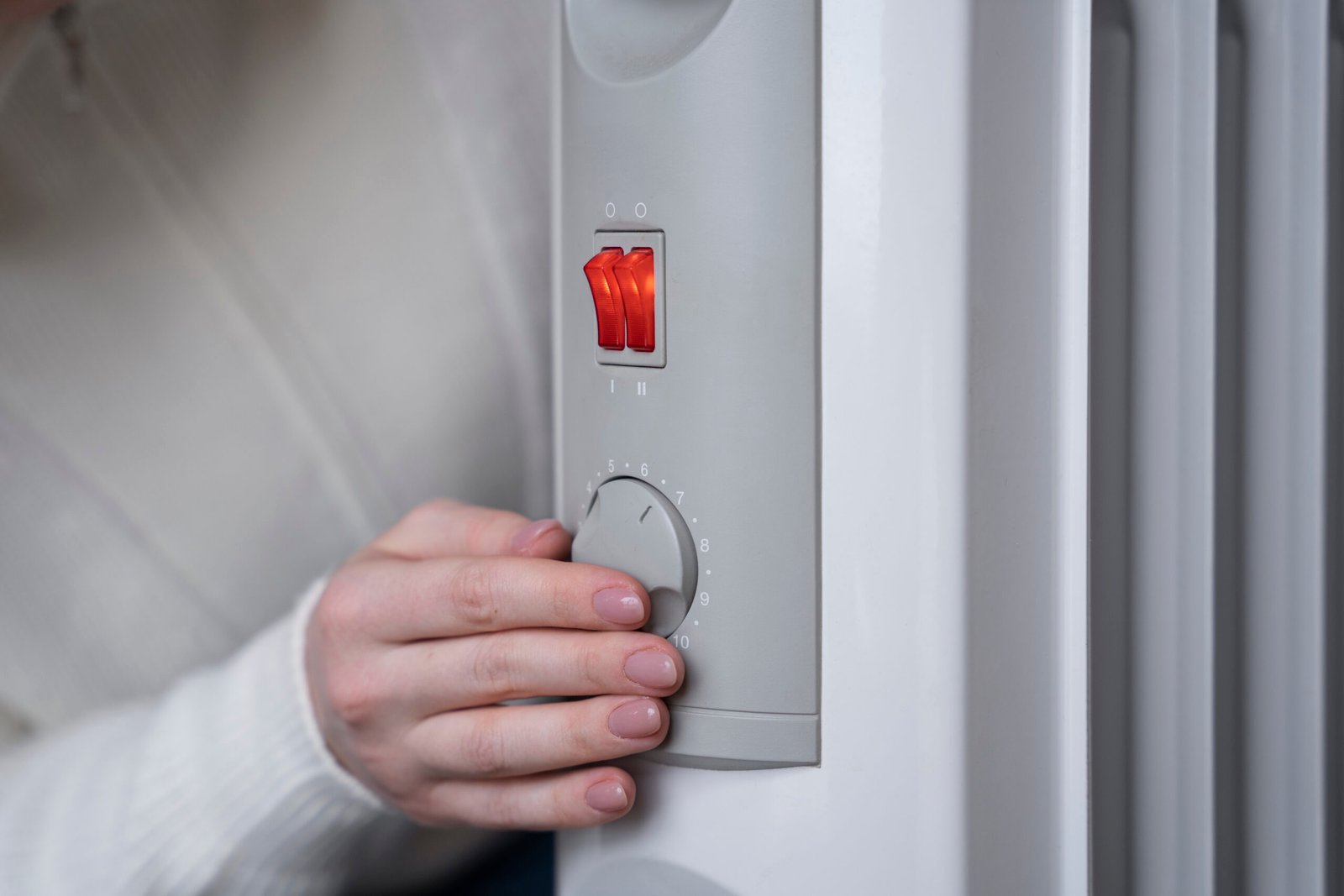
A hot water heater is one of those plumbing systems you don’t think about, until it stops working. But most units don’t fail overnight. They wear down gradually based on how they’re used, maintained, and affected by water conditions. Understanding what impacts lifespan and how to manage it can help you get years of extra performance out of your system.
What Affects Water Heater Lifespan Most
Most traditional tank water heaters last 8-12 years, while tankless systems can reach 15-20+ years. But water heater lifespan isn’t really about the number, it’s about how aggressively the system is aging behind the scenes.
Water heater lifespan depends less on the brand or price and more on what’s happening inside the system over time. Water heaters wear out based on internal damage, not just age, and two identical units installed on the same day can fail years apart depending on maintenance and water conditions.
The biggest factor is water quality. Hard water (high mineral content) quietly shortens water heater lifespan by building sediment inside the tank, which causes overheating at the bottom and forces the system to overwork.
Other major factors include maintenance frequency, usage patterns (especially frequent reheating in larger households), installation quality like venting or pressure issues, water pressure and temperature affecting internal stress, and the condition of the anode rod, which is the single most overlooked lifespan driver tied to corrosion protection.
What Causes Water Heaters to Fail
Water heaters don’t usually “suddenly” fail, they decline in predictable, cumulative ways. Failure is usually gradual, not sudden, and catching it early significantly extends water heater lifespan.
Most failures follow a progression: sediment settles at the bottom of the tank, heat gets trapped under that layer, the tank overheats in specific areas, the inner lining weakens, corrosion begins, and the tank eventually leaks. Other common failure points include pressure-related stress, worn heating elements or burners, thermal expansion issues, and failing valves.
The most common causes behind this include sediment buildup, corrosion inside the tank once the anode rod is depleted, pressure stress from high water pressure, normal wear on heating elements or burners (worsened by poor maintenance), and thermal expansion without proper control.
Prevention focuses on stopping that progression early through proper water heater maintenance by flushing the tank regularly to remove sediment, checking and replacing the anode rod every 2-3 years, keeping water pressure within a safe range or maintaining a pressure regulator, ensuring expansion control is installed and working, and addressing unusual noises or performance changes as soon as they appear.
How to Make Water Heater Last Longer
You don’t need expensive upgrades, you need consistency. Longevity comes from small, repeated actions, not one big fix, and knowing how to make water heater last longer comes down to reducing strain on the system over time.
Focus on high-impact habits like flushing the tank annually to prevent sediment buildup, keeping the temperature around 120°F to reduce thermal stress and scaling, and inspecting the anode rod periodically to protect the tank from rusting out. These are some of the simplest ways to make water heater last longer without major investment.
Just as important is paying attention to early warning signs. People often ignore small performance changes, but things like slower heating, rumbling sounds, or rusty water are early indicators, not minor annoyances. These small actions help maintain a water heater properly, reduce internal wear, and prevent the conditions that lead to early failure.
How to Maintain a Water Heater Properly
Proper maintenance isn’t complicated, it’s just often neglected. Knowing how to maintain a water heater consistently is what separates systems that last 8 years from those that last 12+.
The goal isn’t just keeping it running, it’s reducing internal stress on the system. Think of water heater maintenance as slowing down aging, not just preventing breakdowns, and minimizing internal damage rather than just keeping the unit operational.
Proper maintenance on a water heater focuses on three critical areas: sediment control through flushing the tank, corrosion protection by maintaining the anode rod, and pressure and safety by checking valves and connections.
A typical water heater maintenance routine includes tank flushing or draining part of the tank to remove buildup, anode rod inspection or replacement, testing the temperature and pressure relief (T&P) valve, checking for leaks or corrosion around fittings, and inspecting venting (gas units) or electrical connections.
Yearly Water Heater Maintenance Guide
Instead of one big annual check, break it into simple checkpoints. This staggered approach makes water heater maintenance more manageable, and more effective, helping catch small issues before they turn into system failure and helping maintain a water heater over time.
Every 3-4 months, do a quick visual inspection for leaks, rust, or moisture and listen for unusual noises like popping or rumbling sounds.
Once per year, perform a full tank flush as part of maintenance on a water heater, test the T&P valve, and check temperature settings.
Every 2-3 years, inspect or replace the anode rod to maintain a water heater and protect against corrosion.
As needed, address pressure issues and replace worn components like elements or thermostats.
Best Maintenance on a Water Heater for Longer Lifespan
Flushing the tank and replacing the anode rod.
Most homeowners skip the anode rod entirely, but it’s often the difference between a 6-year failure and a 12-year water heater lifespan. The anode rod is the single most important lifespan component. It sacrifices itself so your tank doesn’t corrode.
Flushing the tank prevents sediment from cooking the tank from the inside, while proper maintenance on a water heater slows internal wear. Sediment buildup accelerates wear from the bottom up and corrosion attacks the tank walls from the inside. Managing both directly helps make water heater last longer.
Timing matters, these steps are most effective when done before visible problems develop, not after performance starts declining.
Why Your Hot Water Heater Not Lasting Long
If your hot water heater not lasting long, the issue usually comes down to a few root causes tied to ongoing internal stress rather than a single failure.
Most people think water heaters fail because they’re “old.” In reality, a hot water heater not lasting long is usually the result of unmanaged internal conditions over time. Even moderate issues can shorten water heater lifespan if they continue without being addressed.
Common reasons include hard water with no mitigation leading to mineral buildup, lack of water heater maintenance (especially no flushing or anode rod replacement), high water pressure or temperature stressing internal components, and heavy daily usage or frequent reheating cycles in high-demand households.
If your hot water heater not lasting long, it’s almost always tied to a pattern, not a one-time issue.
Repair or Replace Based on Water Heater Lifespan
Repair if the unit is under 8 years old, the issue is isolated to components like heating elements, thermostats, or valves, and the tank itself is intact with no leaks or corrosion.
Replace if the unit is 10+ years old with issues, repairs are becoming frequent or costly, efficiency has noticeably dropped, or there is visible corrosion, rust-colored water, or a leaking tank. A leaking tank is not repairable, that’s a full replacement and signals structural failure.
Replacing before failure avoids water damage, downtime, and emergency costs, and helps you better manage overall water heater lifespan moving forward.