
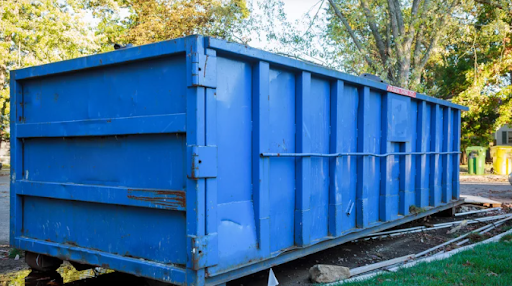
Managing large volumes of scrap metal requires more than just a place to dump materials; it involves efficiency, accessibility, and the right equipment. Choosing the proper container can make a significant difference in productivity, cost, and convenience. Professional solutions such as roll-off for scrap metal in Cartersville provide flexibility and capacity suited for heavy, irregular, or bulky metal waste. Understanding how roll-off dumpsters differ from standard dumpsters helps businesses make better decisions for collection, transport, and recycling.
Why Dumpster Choice Matters in Scrap Metal Management
Not all dumpster types are designed to handle the same workload. Scrap metal can be dense, unevenly shaped, and extremely heavy, making it critical to use a container built for that weight and material type. Standard dumpsters, typically used for household or light commercial waste, are ideal for smaller cleanups but may not meet industrial-level needs.
In contrast, roll-off dumpsters are engineered for heavy-duty applications. They are designed to handle large loads of dense material, such as steel beams, machinery parts, or construction scrap. Selecting the correct dumpster ensures not only operational efficiency but also safety and compliance with local disposal requirements.
Key Characteristics of Standard Dumpsters
Standard dumpsters are stationary containers that are emptied on-site by a truck equipped with a lifting mechanism. They are typically found behind businesses, apartments, or small facilities for routine waste collection. These dumpsters are enclosed or semi-enclosed and come in limited sizes, most of which range from 2 to 8 cubic yards. Their compact size makes them easy to fit in tight spaces, but this also limits their capacity for large-scale scrap projects. Standard dumpsters can handle lighter metal loads such as aluminum cans, pipes, or small fittings, but they are not suitable for bulk demolition or industrial cleanup.
Standard dumpsters are practical for businesses producing consistent, manageable amounts of metal waste. However, for construction sites or operations that generate heavy or oversized pieces, their limitations become apparent quickly.
Advantages of Roll-Off Dumpsters
Roll-off dumpsters differ significantly in both design and functionality. These containers are delivered and removed using specialized trucks equipped with a hydraulic lift system that “rolls” the dumpster on and off. This makes placement and retrieval easier, even for significant or challenging locations.
Roll-off units are open-topped, allowing easy loading of oversized materials without restrictions. Available in larger sizes, commonly 20, 30, or 40 cubic yards, they can hold substantial amounts of scrap metal from demolition, manufacturing, or renovation projects.
Their mobility and accessibility also make them ideal for temporary job sites. Once filled, the dumpster can be swapped out quickly for an empty one, keeping work on schedule without unnecessary downtime. Understanding the ultimate guide to roll-off dumpsters reveals their various sizes, practical uses, and key benefits, highlighting how they effectively support both industrial and commercial operations.
Choosing Between Roll-Off and Standard Dumpsters
When deciding between these two container types, consider three primary factors: volume, metal type, and project duration. If you’re handling routine metal waste from a small business or workshop, a standard dumpster may be sufficient. However, if the operation involves dismantling structures, clearing industrial scrap, or managing heavy equipment, a roll-off container offers far greater efficiency.
Accessibility is another consideration. Roll-off dumpsters are easier to load with heavy machinery, such as forklifts or cranes, whereas standard dumpsters are better suited for manual disposal of lighter materials. Cost-effectiveness also depends on pickup frequency. Frequent hauls from smaller dumpsters can cost more than using a larger roll-off container for bulk disposal. Businesses working with continuous scrap flow often find roll-off dumpsters a better long-term investment.
Conclusion
The choice between roll-off and standard dumpsters comes down to scale, weight, and efficiency. Roll-off dumpsters provide unmatched capacity, flexibility, and ease of transport for large-scale scrap metal operations, while standard dumpsters work best for smaller, steady loads. By understanding the distinction, businesses can optimize their scrap handling, enhance productivity, and ensure every load of metal waste is managed with precision and profitability.