
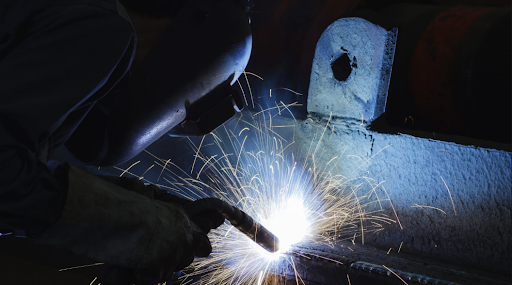
Maintaining clean and comfortable air in welding environments is essential for both performance and worker well-being. Welding fumes can spread quickly through enclosed areas, reducing visibility and creating uncomfortable working conditions if not properly controlled. Effective ventilation requires solutions that not only remove airborne contaminants but also maintain a stable and balanced atmosphere throughout the workspace. Integrating a welding air purification system early in the planning or upgrading process ensures consistent airflow and a more comfortable environment for daily operations.
Why Air Purification Matters in Modern Welding Spaces
Welding involves heat, metals, and fumes that must be managed continuously to maintain safe air quality. Relying solely on general ventilation often leaves certain areas underserved, especially in facilities with multiple welding stations. Purification systems play an essential role in capturing and filtering contaminants before they spread, improving both comfort and overall workspace stability.
The Importance of Proper Source Capture and Ventilation
Effective ventilation begins with capturing fumes as close to the welding point as possible. This approach improves filtration efficiency, reduces the spread of airborne particles, and enhances overall air movement across the shop. Many facilities prioritize strategies centered around source capture for welder safety, as it provides targeted removal and limits exposure for those working directly at the weld.
When integrated with a high-performance purification system, source capture supports smoother airflow by reducing the amount of particulate entering the surrounding environment. This combination ensures a more consistent air balance, making the workspace cleaner and more comfortable during long welding sessions.
Enhancing Comfort Through Balanced Air Movement
Comfort is a major consideration in any welding environment. Clean air alone is not enough; the airflow must also be balanced so workers do not experience drafts, inconsistent ventilation, or stagnant air pockets. A properly configured purification system helps maintain steady circulation, preventing hot spots, smoke-filled corners, or overly humid areas.
Balanced airflow also supports improved visibility, which contributes to more precise work. Clearer conditions allow welders to maintain better control and reduce eye strain throughout long projects. Over time, this contributes to a more stable environment and improved confidence during welding tasks.
Supporting Equipment Performance and Long-Term Efficiency
When air purification systems are integrated into the ventilation layout, they help protect other equipment from dust, fumes, and particulate buildup. Clean air reduces strain on fans, ducts, and mechanical components, which supports long-term efficiency. A stable air environment also helps automated and manual equipment operate consistently, improving productivity and reducing unnecessary wear.
Consistent purification further allows facilities to maintain steady ventilation without overworking the system. This improves efficiency and ensures more predictable performance, especially in high-demand welding areas where continuous airflow is needed.
Conclusion
Integrating air purification into a welding environment offers clear benefits for ventilation, comfort, and overall workspace quality. By combining targeted capture with strong filtration, facilities can maintain cleaner air and smoother airflow throughout daily operations. These systems help create a more comfortable atmosphere, promote better visibility, and reduce strain on both workers and equipment. Over time, a well-designed purification setup supports steady performance, contributing to a more reliable and efficient welding environment.