
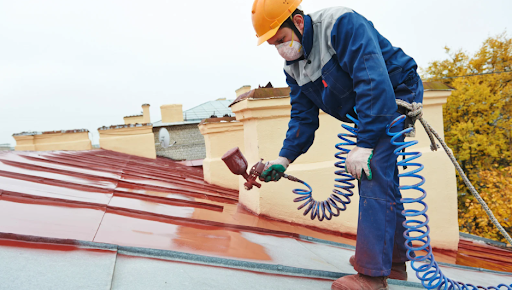
Your roof is more than just a weather barrier; it’s a key component of your home’s overall energy efficiency and structural integrity. A roof contractor in Marietta, professionals understand that proper ventilation and insulation are critical for maintaining temperature balance, preventing moisture buildup, and extending roof lifespan. A well-ventilated attic and properly insulated roof not only protect your home from damage but also reduce energy costs year-round.
Before any repair or replacement, experienced contractors conduct a detailed evaluation to determine how effectively your current system manages airflow and heat retention.
The Importance of Roof Ventilation
Ventilation allows your attic to breathe by balancing intake and exhaust airflow. Without it, trapped heat and moisture can wreak havoc on roofing materials, insulation, and structural wood. In warm climates, poor ventilation accelerates shingle deterioration and raises indoor temperatures, while in cooler months, it encourages condensation and mold growth.
Professional roofers focus on airflow efficiency, ensuring that intake vents near the eaves and exhaust vents near the ridge work in tandem. This equilibrium keeps the attic dry, prevents structural decay, and stabilizes indoor comfort.
Signs of Poor Ventilation
Contractors look for several key indicators during inspection, including:
- Excessive heat buildup in the attic.
- Mold or mildew on rafters or insulation.
- Warped or discolored shingles.
- Ice dams form in colder months.
- Rising energy bills due to trapped heat.
If any of these symptoms appear, professionals design a ventilation plan that restores proper balance and air movement.
The Role of Insulation in Roof Health
Insulation complements ventilation by regulating heat transfer between the attic and living spaces. Too little insulation allows heat to escape in winter and infiltrate in summer, forcing HVAC systems to work harder. Too much insulation, however, can block airflow and trap moisture, leading to rot or mold.
Contractors assess existing insulation depth, material type, and condition to determine whether upgrades are needed. They also check for gaps or compression, which can reduce the insulation’s effectiveness.
How Professionals Conduct Assessments
When evaluating a roof’s ventilation and insulation needs, contractors use advanced diagnostic tools such as infrared scanners and moisture meters. These tools help locate temperature inconsistencies, hidden leaks, and insulation voids.
During an inspection, they also examine the roof deck, soffits, and ridge vents to confirm that air circulation isn’t obstructed. A proper balance between intake and exhaust is essential; too much of one without the other can reduce efficiency and increase the risk of condensation.
Choosing a roofing contractor plays a crucial role here, as experienced professionals know how to tailor ventilation and insulation solutions to each home’s specific design and climate conditions. Their expertise ensures a system that not only meets industry standards but also enhances long-term performance.
The Benefits of Proper Roof Ventilation and Insulation
A well-assessed and properly configured system provides several benefits:
- Extends roof lifespan by reducing heat and moisture damage.
- Lowers energy bills through improved temperature control.
- Prevents mold, mildew, and wood decay.
- Enhances indoor comfort and air quality.
- Maintains warranty compliance for roofing materials.
Professionally balanced ventilation and insulation protect your home from both structural and environmental stress.
Conclusion
Effective roof performance depends on more than shingles and flashing; it requires precision in airflow and insulation management. Partnering with an experienced roof contractor ensures that every component of your roofing system works together for optimal efficiency and protection. Through careful assessment and expert installation, professionals create a sustainable balance that keeps your home comfortable, energy-efficient, and structurally sound for years to come.