
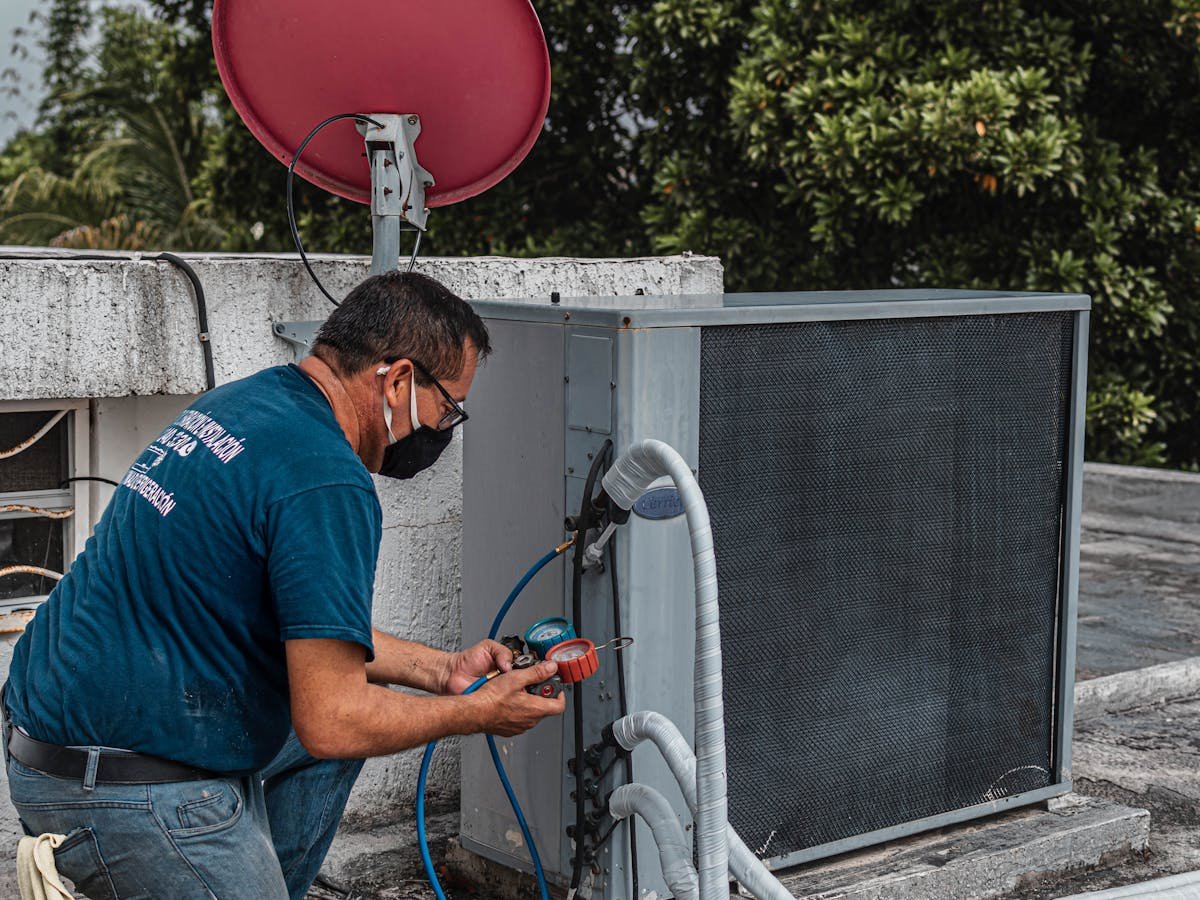
Many of the upgrades that improve home comfort the most are directly connected to HVAC systems. From advanced heating and cooling technology to better airflow and ventilation, modern HVAC solutions help maintain consistent indoor temperatures in every season.
Energy Efficient Upgrades for the Home That Improve Year-Round Comfort
Many homeowners focus on lowering energy bills, but the most valuable energy efficient upgrades for the home actually improve comfort in every season.
Many homeowners think energy efficiency is mainly about saving money. In reality, the biggest difference people notice is how their home feels day to day.
One of the most effective upgrades is heat pump installation, which provides both heating and cooling using significantly less energy than traditional systems. Because heat pumps move heat instead of generating it, they deliver more consistent indoor temperatures without the hot and cold swings common with furnaces or baseboard heating. The result is fewer temperature swings and more stable indoor comfort, which is one of the key heat pump benefits homeowners notice quickly.
Some upgrades dramatically improve comfort by fixing the most common problems homes have, such as uneven temperatures, stale air, and constant thermostat adjustments.
Upgraded insulation and air sealing help close small gaps around attics, doors, and ductwork that allow heat to escape in winter and enter in summer. These improvements stabilize indoor temperatures, reduce drafts, and stop outdoor air from sneaking into the home. Many energy efficient upgrades for the home focus on reducing energy loss while improving comfort.
High-efficiency windows help regulate heat transfer, keeping indoor spaces warmer in winter and cooler in summer.
Duct sealing and airflow balancing address the heating and cooling that many homes lose through leaky ducts, improving room-to-room temperature consistency.
Smart thermostats and zoning systems automatically adjust temperatures based on your habits, helping maintain comfort without constant thermostat adjustments.
Improved ventilation and air quality systems, such as energy recovery ventilators or whole-home filtration, maintain fresh air without sacrificing heating or cooling efficiency. Balanced humidity can also make a home feel warmer in winter and cooler in summer without changing the thermostat setting.
When these improvements work together, homeowners often notice fewer temperature fluctuations, quieter operation, better air quality, and a home that feels more stable and comfortable throughout the year. Among these improvements, the benefits of having a heat pump often stand out because the system provides both heating and cooling in one efficient solution.
What Are the Benefits of a Heat Pump
A heat pump is one of the few systems designed to maintain comfort in every season using one piece of equipment.
Unlike traditional heating systems that burn fuel, a heat pump moves heat from one place to another. In winter, it extracts heat from outdoor air and transfers it indoors. In summer, it reverses the process and works like an air conditioner.
The biggest comfort advantage of a heat pump is how evenly it conditions a home, which is one of the most noticeable heat pump benefits.
Traditional heating systems often cycle on and off in bursts. When they turn on, they produce a lot of heat quickly. When they shut off, temperatures gradually drop until the next cycle begins.
Heat pumps work differently. Many modern systems run at lower speeds for longer periods, gently maintaining the temperature instead of constantly correcting it.
Because of this design, heat pumps deliver steady, even heating rather than short bursts of hot air followed by cooling cycles. Homes tend to stay within a narrower temperature range instead of fluctuating several degrees, and because the system runs more continuously, air circulates more evenly between rooms.
During cooling season, longer run times also allow the system to remove more moisture from the air, improving humidity balance and helping homes feel comfortable even at higher thermostat settings. Modern heat pumps also tend to operate more quietly than many traditional HVAC systems.
Because of these characteristics, many homeowners find their homes feel more balanced, comfortable, and predictable throughout the year, which highlights the benefits of having a heat pump in modern homes.
Benefits of Having a Heat Pump for Year-Round Comfort
Compared to traditional HVAC systems like furnaces and central air conditioners, heat pumps offer a more efficient and flexible way to heat and cool a home.
One of the biggest advantages is energy efficiency. Heat pumps transfer heat rather than generating it through combustion or electric resistance, which means they can produce multiple units of heat for every unit of electricity used.
A useful way to think about heat pumps is that they replace two separate systems with one smarter system. Traditional homes typically rely on a furnace for heating and an air conditioner for cooling, while a heat pump combines both functions into a single system. This is one of the most practical benefits of using a heat pump for many homeowners.
Because of this dual functionality, heat pumps can simplify HVAC setup and reduce the amount of equipment homeowners need to maintain. With one system handling both heating and cooling, long-term system management often becomes easier.
Heat pumps also rely on electricity instead of burning fossil fuels, which helps reduce household emissions. Because they use energy more efficiently, they can often lower monthly utility bills, which adds to the overall heat pump benefits homeowners experience.
Many modern systems also include variable-speed compressors that gradually adjust output instead of switching fully on or off. This smoother operation helps prevent sudden temperature swings and reduces the temperature overshooting that can occur when furnaces heat rooms quickly and then shut off.
In many homes, this leads to a more balanced indoor climate, improved temperature control, and simpler long-term system management, clear benefits of using a heat pump compared to traditional systems.
Benefits of Using a Heat Pump for Long-Term Home Efficiency
Modern homes are built very differently from houses constructed decades ago. They are tighter, better insulated, and designed to retain conditioned air.
Because of this, heating systems no longer need to produce large bursts of heat. Instead, they need to maintain steady indoor conditions efficiently.
Heat pumps are particularly well suited for this type of home design.
First, they are built to work well with energy efficient upgrades for the home, including improved insulation, airtight construction, and smart climate controls. Because these homes lose less heat, heat pumps can operate more efficiently and maintain steady indoor temperatures.
Heat pumps typically use less energy than traditional heating systems, which can lead to lower lifetime energy costs. Since one unit handles both heating and cooling, there is also less equipment to maintain, simplifying maintenance and future upgrades.
Modern heat pumps are designed to integrate with smart thermostats, zoning systems, and renewable energy. Homes with solar panels can power heat pumps using renewable electricity, and as electric grids become cleaner, heat pumps align with the broader shift toward electrification.
For homeowners planning long-term upgrades, a heat pump often becomes a cornerstone of an energy-efficient home, highlighting the benefits of having a heat pump when combined with other modern upgrades.
Heat Pump vs Furnace
The main difference between a heat pump and a furnace is how they generate heat.
A furnace produces heat by burning fuel or using electric resistance, then distributes warm air through ducts. A heat pump, on the other hand, moves existing heat from the outside air into the home.
Because heat pumps transfer heat instead of creating it, they generally use less energy and can reduce electricity or fuel consumption in many climates. These efficiency improvements are part of the broader heat pump benefits many homeowners consider when upgrading HVAC systems.
Another key difference is system versatility. Furnaces only provide heating, while heat pumps handle both heating and cooling with the same equipment.
The most noticeable difference between a furnace and a heat pump is how the heat feels inside the home.
Furnaces create heat by burning fuel or using electric resistance, which produces very hot air that is pushed into the house in short cycles. Heat pumps work by transferring heat, so the air they deliver is warmer than the room but not extremely hot.
Because of this difference, furnaces heat quickly but cycle frequently, which means rooms may warm up fast but cool down between cycles. Heat pumps maintain temperature more gradually and run longer at lower output to maintain consistent comfort.
Furnaces can still perform well in extremely cold climates, but advances in cold-climate heat pump technology have made them a reliable option for many regions. For many homeowners, the choice comes down to whether they prefer fast bursts of heat or steady temperature control, another example of the benefits of using a heat pump for consistent comfort.
Heat Pump vs AC
A heat pump and a traditional air conditioner are very similar when it comes to cooling.
Both systems use refrigeration technology to remove heat from indoor air and release it outside, keeping homes cool during summer. When cooling a home, heat pumps and traditional air conditioners actually operate almost the same way.
The key difference is that a heat pump can reverse the process. While a standard air conditioner only provides cooling, a heat pump can switch modes and provide heating during colder months by pulling heat from the outdoor air. That means in colder months the system pulls heat from outside air and moves it indoors instead of removing it.
Because of this reversible design, a heat pump functions as both a cooling system in summer and a heating system in winter, one of the most widely recognized heat pump benefits.
Many modern heat pumps also include variable-speed technology, which allows them to adjust cooling output more precisely than older AC systems. This helps maintain more stable indoor temperatures and improves humidity control during the summer months.
Because they replace both AC and certain heating systems, heat pumps can also reduce overall energy use. For homeowners upgrading HVAC equipment, a heat pump often provides greater flexibility than a traditional AC system, demonstrating additional benefits of having a heat pump.
Heat Pump Benefits in Every Season
Modern heat pumps are designed to deliver reliable comfort throughout the year, even in regions with significant seasonal temperature changes.
Older heat pumps struggled in very cold weather because they relied on outdoor air as their heat source. Newer systems use improved compressors and refrigerants that allow them to extract heat efficiently even when temperatures drop well below freezing.
In winter, heat pumps draw heat from the outside air and move it indoors. Advances in compressor technology allow many systems to operate efficiently even when outdoor temperatures drop well below freezing.
In summer, the system reverses and functions just like an air conditioner, removing heat from the home and maintaining cool indoor temperatures.
Additional features such as variable-speed compressors for precise temperature control, advanced defrost cycles that maintain winter efficiency, and integrated humidity control for summer comfort further support year-round performance.
When properly sized and installed, heat pumps can maintain stable indoor comfort through changing seasons without switching between separate systems, providing consistent heating, cooling, and humidity management across all seasons.
Benefits of Using a Heat Pump for Lower Energy Bills
Heat pumps help reduce energy bills because they use electricity far more efficiently than traditional heating methods.
Instead of generating heat directly, a heat pump transfers heat using refrigerant and compressors. Heat pumps reduce energy costs primarily because of how they move heat instead of generating it.
Traditional heating systems create heat through combustion or electric resistance, while heat pumps simply transfer existing heat from outside air into the home.
Because moving heat requires less energy than producing it, a heat pump can deliver two to four units of heat for every unit of electricity consumed.
This efficiency leads to several cost advantages. Heat pumps use significantly less energy than electric resistance heating or older HVAC systems, and since one system provides both heating and cooling, homeowners may replace multiple systems with a single high-efficiency unit.
Many heat pumps also include variable-speed technology that adjusts output based on the home’s needs rather than running at full power, preventing wasted energy and avoiding the energy spikes that occur when systems frequently turn on and off. These efficiency improvements highlight additional benefits of using a heat pump.
Over time, these efficiency gains can lead to noticeable reductions in household energy expenses, lower monthly utility costs, and reduced total household energy use.
Is a Heat Pump One of the Best Energy Efficient Upgrades for the Home
A heat pump is widely considered one of the most impactful energy efficient upgrades for the home homeowners can make.
Because it replaces both heating and cooling equipment with a single high-efficiency system, it can significantly reduce a home’s total energy consumption.
For many homes, yes, because it improves both energy performance and everyday comfort.
Unlike upgrades that only reduce energy loss, a heat pump actively improves how the home is heated and cooled. It stabilizes indoor temperatures, reduces system cycling, and replaces multiple HVAC systems with one high-efficiency solution.
In addition to energy savings, heat pumps offer several practical advantages such as consistent year-round comfort, lower environmental impact, compatibility with renewable energy systems, and potential eligibility for rebates or incentives in many regions.
Homeowners often choose heat pumps because they provide heating and cooling from a single system, more stable indoor temperatures, improved energy efficiency, and compatibility with modern home energy upgrades.
When paired with insulation improvements and smart controls, a heat pump can become one of the most impactful energy efficient upgrades for the home, delivering both comfort improvements and long-term heat pump benefits.